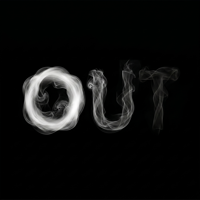
How to Quit Smoking
Practical, evidence-based guides for quitting smoking — from picking a quit date and managing cravings to getting through the first week and handling relapse. No lectures, just steps.
Quitting smoking is one of the hardest things your brain will let you do — not because of willpower, but because nicotine physically rewires your reward system over time. Understanding how that works is what separates people who quit for good from those stuck in the loop.
These articles cover the practical side: what to expect day by day, which strategies actually reduce cravings, how to handle the urge that hits at exactly the wrong moment, and what to do when you slip. No moralizing about why you should quit — you already know. This is about how.
What the research says about quitting
Most people who successfully quit don't do it on the first try. The average is 8-10 attempts before long-term success — not because those people lacked resolve, but because nicotine dependence is a physiological condition that responds to learning and iteration. Each attempt teaches you something about your specific triggers and what works.
Cold turkey works for some people — roughly 3-5% succeed long-term using willpower alone. Combining a behavioral approach with nicotine replacement therapy (NRT) or prescription medication roughly doubles those odds. Combining NRT with varenicline or bupropion does better still. The method matters less than consistency and understanding why previous attempts failed.
The first week
Days 1-3 are the acute peak: nicotine clears from your system, receptors that adapted to constant stimulation start complaining, and cravings are most intense. Physically, you may experience irritability, difficulty concentrating, increased appetite, headaches, and disrupted sleep. This is your nervous system recalibrating — not evidence that you can't do it.
By day 7, the worst of the physical withdrawal has passed for most people. What remains longer is the psychological habit layer: the cigarette tied to coffee, the after-meal smoke, the stress response you've practiced for years. Behavioral work targets this layer, and it's why simply removing cigarettes without a replacement strategy has a lower success rate.
Cravings
A nicotine craving peaks around 20 minutes and then subsides whether you smoke or not. Knowing this — and having a specific plan for those 20 minutes — changes the dynamic. The 4 D's (Delay, Drink water, Deep breathe, Do something else) are simple enough to remember under stress. Apps, gum, or a short walk can all bridge the gap.
Over time, craving frequency drops significantly. By weeks 3-4, most former smokers report cravings becoming shorter, less intense, and triggered only by specific cues rather than constant background noise.
Medication and NRT
Nicotine replacement therapy — patches, gum, lozenges, inhalers — reduces withdrawal severity by providing a controlled, slower nicotine dose without the 4,000+ chemicals in cigarette smoke. It's a bridge, not a forever solution.
Prescription options — varenicline (Champix/Chantix) and bupropion — work through different mechanisms. Varenicline partially activates nicotine receptors while blocking the reward signal from smoking. Both are significantly more effective than placebo, and varenicline in particular has the strongest evidence base among all quit-smoking aids.
What these articles cover
From choosing a quit date to handling the cravings that hit 3 months in, the guides here give you clear steps without the lecture. You'll find day-by-day breakdowns, craving management strategies, honest comparisons of medication options, and how to recover from a relapse without losing ground.